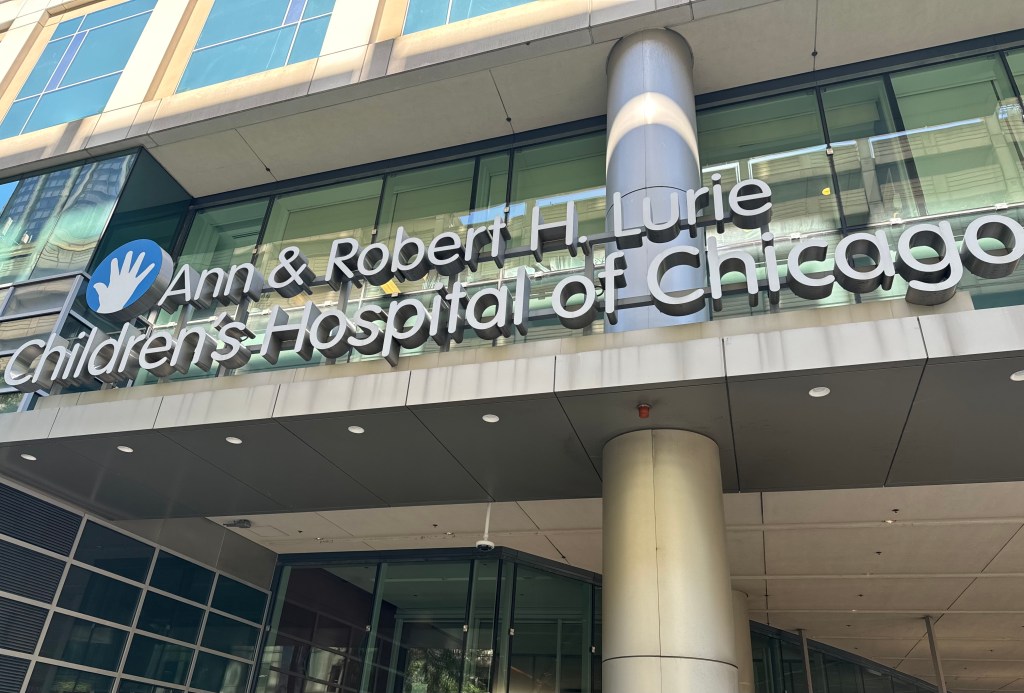
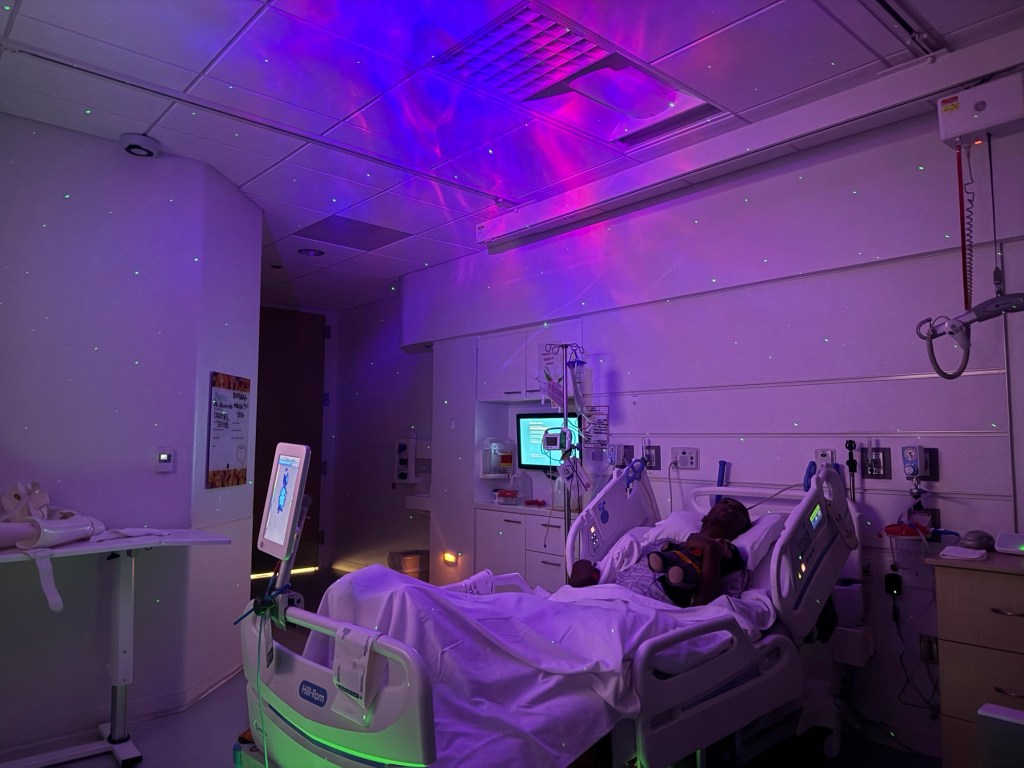
Day 2 at Shirley Ryan Ability Lab (SRAB) was a day of minor setbacks. During the early morning hours of the 25th, Marcus developed a fever and increased Heart Rate (HR) and Breaths Per Minute (BPM). He was transported from SRAB to the Emergency Room at Lurie Children’s Hospital of Chicago where he was admitted into the ICU. He is currently in critical but stable condition.
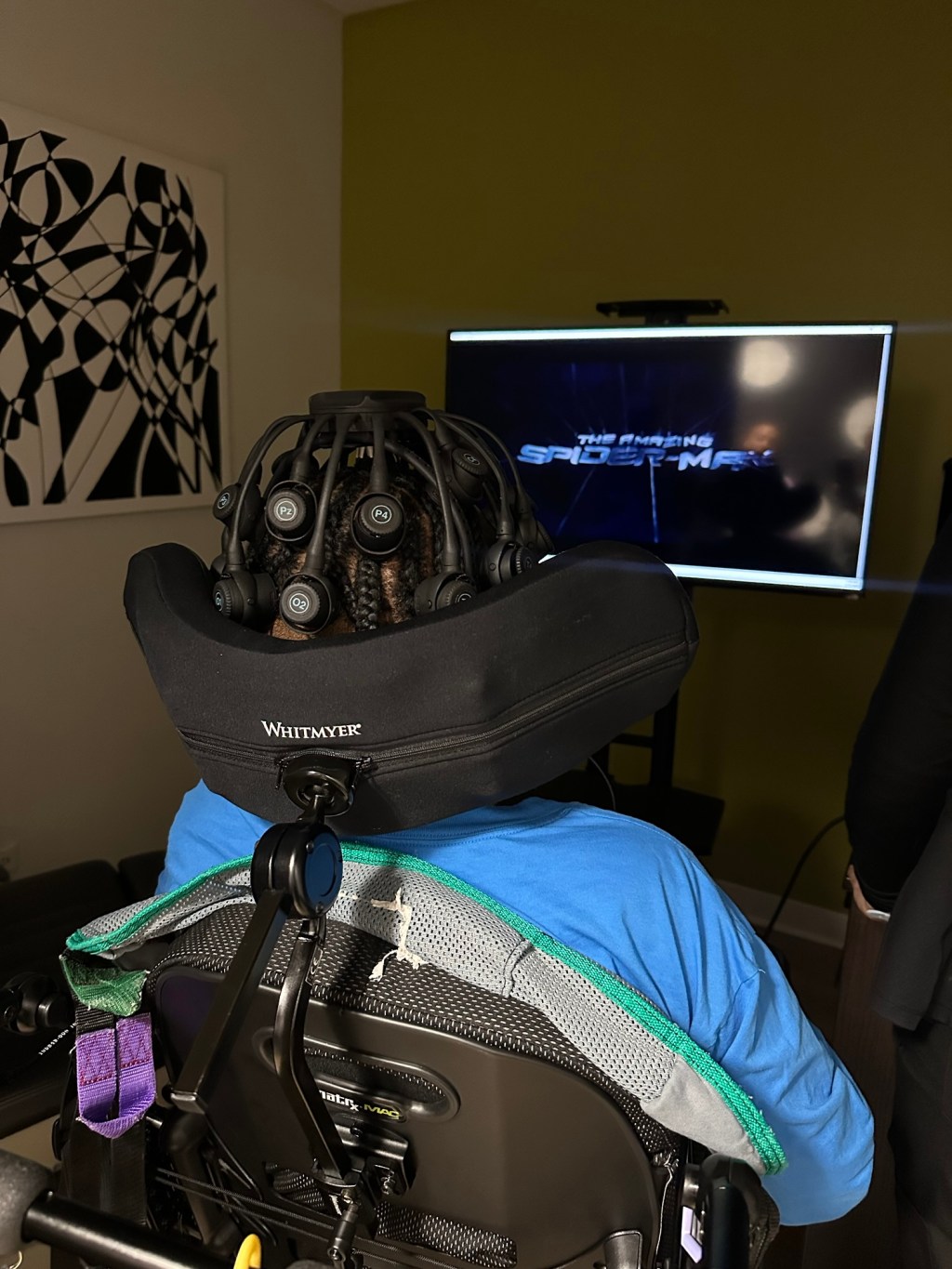
Medical personnel believe that it could possibly be an infection which was causing the issue or Paroxysmal Sympathetic Hyperactivity (PSH) aka “storming,” and they conducted a battery of tests to determine the cause. Thus far all results on the tests are negative while it could take up to 72 hours on cultures. Lastly, they needed to make sure the symptoms were not seizure related. An EEG was completed, and it ruled out seizures as the culprit.
Medical personnel are starting to feel that storming is the culprit. The following gives a description of storming, and we’ve checked the symptoms Marcus is experiencing:
“What is storming or neurostorming? After someone has a severe brain injury, they may develop something called Paroxysmal Sympathetic Hyperactivity (PSH). This is also called “storming.” It occurs in some patients in a coma after severe brain injury.
– Things to look for as signs of storming:
• High heart rate ✔️
• Fast breathing rate ✔️
• High blood pressure
• Fever ✔️
• Sweating ✔️
• Tight muscles ✔️
• Unusual body position
• Restlessness
• Agitation ✔️
Storming can be caused by something happening inside your loved one’s body, and sometimes it can be caused by something happening outside of your loved one’s body.
– Here are some possible causes of storming:
• Discomfort or pain
• Incontinence
• Changes in medication
• How the person is lying or sitting
• Being moved in the bed
• Alarms
• Noise
• Fever
Storming can cause more injury to the brain and slows down the healing of the brain. It can hurt other parts of the body as well like the heart, kidneys, or muscles. For most people, storming gets better as the brain gets better. Doctors will check for medical causes like infections or blood clots. They then work to treat the symptoms like pain or high blood pressure to protect the brain and body from more injury. Medication can be used to prevent and treat storming.”
Marcus met six of the nine signs for storming. For now we are awaiting final test results to make sure there are no infections in the body. If everything comes back negative, it will be a matter of figuring out the right medicine to control the storming. Marcus will then be returned to SRAB to continue rehab.



 33's Rebound
Leave a reply to Myalani Watson Cancel reply